


-

Add: HeBei ShengShi HongBang Cellulose Technology CO.,LTD.
-

Email
13180486930@163.com -

CONTACT US
+86 13180486930


Understanding Methyl Cellulose and Its Pricing Dynamics Methyl cellulose, a water-soluble polymer derived from cellulose, has garnered increasing attention in various industries due to its versatile properties. As a key ingredient in food, pharmaceuticals, cosmetics, and construction, methyl cellulose plays a significant role in enhancing the quality and functionality of many products. However, the pricing aspects of methyl cellulose often raise questions among manufacturers and consumers alike. This article delves into the factors influencing the price of methyl cellulose, its applications, and the market trends that shape its economics. What is Methyl Cellulose? Methyl cellulose is produced through the methylation of cellulose, which is a natural polymer obtained from plant cell walls, particularly from wood and cotton. This modification process endows methyl cellulose with unique properties such as high viscosity, gelling ability, and water retention. Because of these characteristics, it acts as a thickener, emulsifier, and stabilizer, making it a popular choice in various applications. Applications of Methyl Cellulose 1. Food Industry Methyl cellulose is commonly used in the food industry as a thickening agent and a fat replacer. It helps improve the texture and stability of food products like sauces, dressings, and baked goods. Additionally, its ability to form gels at elevated temperatures is exploited in vegetarian and vegan food substitutes. 2. Pharmaceuticals In the pharmaceutical sector, methyl cellulose serves as an effective binder, coating, and disintegrant in tablet formulations. Its water-retaining properties are also valuable in the production of ocular solutions and laxatives. 3. Cosmetics Methyl cellulose is utilized in various cosmetic products for its thickening and stabilizing properties. It can be found in shampoos, lotions, and creams, contributing to the desired texture and overall feel of these products. 4. Construction The construction industry employs methyl cellulose as an additive in tile adhesives, joint compounds, and plaster. Its water retention and improved workability aid in creating durable and effective building materials. Factors Influencing the Price of Methyl Cellulose harga metilselulosa The pricing of methyl cellulose is influenced by several key factors, including 1. Raw Material Costs The primary raw materials for cellulose-based products, including cotton and wood pulp, can experience price fluctuations based on supply and demand dynamics. In addition, any changes to regulations affecting sustainable sourcing can also impact raw material costs. 2. Production Processes The manufacturing processes involved in producing methyl cellulose can be complex and energy-intensive. Advances in production technology can potentially reduce costs, but any disruptions—such as maintenance issues or the introduction of new regulations—can affect pricing. 3. Market Demand The growth of industries utilizing methyl cellulose directly impacts its demand. For instance, the rising popularity of plant-based food products has significantly increased the use of methyl cellulose as a vegan binder in food processing, contributing to fluctuating prices. 4. Geopolitical Factors International trade agreements, tariffs, and political stability in regions producing cellulose can affect the global supply chain, impacting both availability and pricing of methyl cellulose. For example, disruptions in trade can lead to supply shortages, subsequently driving up prices. 5. Technological Innovations As research advances, new grades and formulations of methyl cellulose are developed, often commanding different price points. Innovations that enhance performance or functionality can justify higher costs, while more efficient production methods can lower them. Market Trends and Future Outlook The methyl cellulose market is poised for growth, driven by expanding applications across various sectors. The trend toward clean label products in the food industry, coupled with an increasing preference for natural and plant-based ingredients, is likely to sustain demand for methyl cellulose. Additionally, advancements in production technology and heightened environmental awareness may foster more sustainable practices within the industry, influencing pricing trends. In conclusion, methyl cellulose plays an invaluable role across numerous industries. Understanding the factors that contribute to its pricing can help stakeholders make informed decisions. As demand for this versatile polymer continues to grow, staying attuned to market trends and shifts will be essential for navigating the complexities of methyl cellulose pricing.
- 40000tons

Production
- 20+years

Experience
- 5000+㎡

Acreage

-
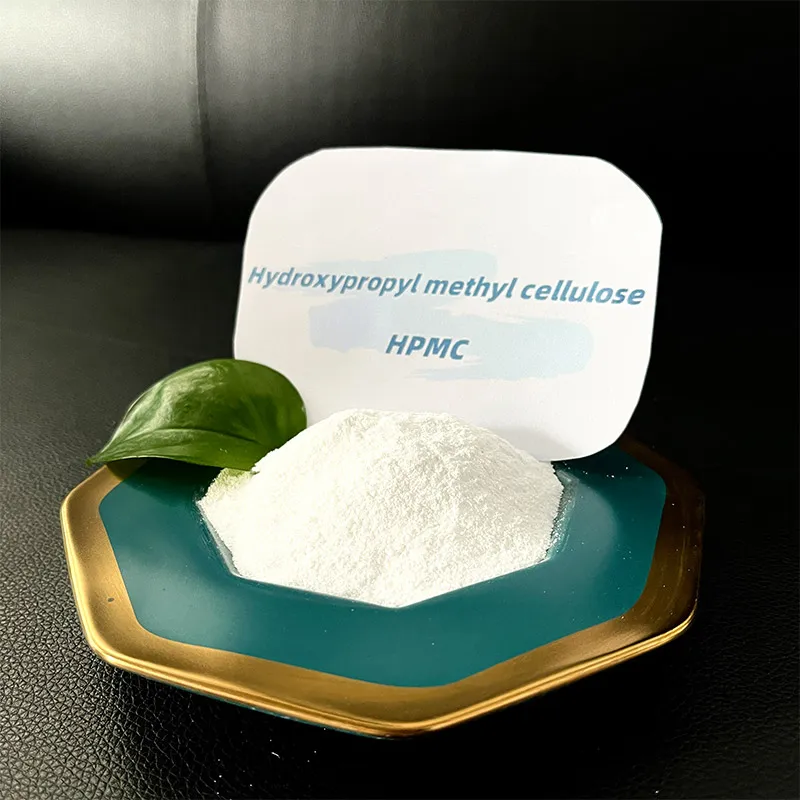
The Versatile Uses of Hydroxypropyl Methylcellulose Hydroxypropyl methylcellulose (HPMC) is a synthetic polymer derived from cellulose, a natural polymer found in the cell walls of plants. As a non-ionic, water-soluble substance, HPMC exhibits a range of properties that make it valuable across various industries, including pharmaceuticals, food, construction, and cosmetics . This article explores the diverse uses of hydroxypropyl methylcellulose and its significance in modern applications. Pharmaceutical Applications In the pharmaceutical industry, HPMC is primarily used as a thickening agent, binder, and film-forming agent in tablet formulations. Its ability to form gels when mixed with water makes it ideal for creating controlled-release drug formulations. This property is particularly beneficial for medications that require a gradual release of active ingredients over an extended period, enhancing therapeutic effects while minimizing side effects. HPMC is also widely used in ophthalmic preparations. Eye drops, gels, and ointments formulated with HPMC provide moisture retention and lubricating effects, which are essential for treating dry eye conditions and ensuring comfort in contact lens wearers. Additionally, HPMC assists in stabilizing emulsions and suspensions, ensuring consistent dosage delivery. Food Industry Applications The food industry reaps the benefits of HPMC for its thickening, emulsifying, and gelling properties. It is commonly used in low-fat and gluten-free products as a fat replacer and to improve texture and mouthfeel. HPMC enhances the consistency of sauces, dressings, and gravies, providing a desirable viscosity without adding extra calories. Moreover, it acts as a stabilizer in various food products, helping to maintain emulsions, thereby improving shelf life and product stability. In the realm of baking, HPMC is utilized as a gluten substitute, allowing manufacturers to create gluten-free baked goods that retain a similar texture to their gluten-containing counterparts. This is particularly important for individuals with celiac disease or gluten sensitivities, offering them safe and enjoyable food options. uses of hydroxypropyl methylcellulose Construction Industry Applications In construction, HPMC is an essential additive in cementitious materials, such as mortar and plaster, improving workability and reducing water usage. Its adhesive properties enhance the bonding of materials, making it an excellent choice for tiling adhesives and joint compounds. Furthermore, HPMC helps to improve the open time of these products, allowing for more precise application and adjustment during construction processes. As a water-retaining agent, HPMC contributes to the prevention of cracking and shrinkage in concrete. This is especially vital in hot and windy conditions, where rapid evaporation of water can compromise the integrity of concrete structures. By ensuring optimal moisture retention, HPMC promotes stronger and more durable construction materials. Cosmetic Applications In the cosmetics industry, HPMC serves as a thickening agent and stabilizer in various formulations, including lotions, creams, and gels. Its ability to retain moisture makes it a popular choice for skin care products, promoting hydration and improving the overall texture of the product. HPMC is also used in hair care products, where it functions as a conditioning agent, enhancing the manageability and shine of hair. Additionally, HPMC's film-forming properties make it suitable for use in color cosmetics, such as foundations and mascaras, helping to create a smooth, even application. Its non-ionic nature also reduces the risk of skin irritation, making it a safe option for sensitive skin types. Conclusion The versatility of hydroxypropyl methylcellulose makes it a valuable ingredient across multiple industries. From its critical role in pharmaceuticals and food products to its applications in construction and cosmetics, HPMC demonstrates a unique ability to enhance product performance and consumer satisfaction. As research continues to explore new applications and formulations, HPMC's significance in industrial and everyday products is likely to grow, underscoring the importance of this multifunctional polymer in modern society.
-
Rubber powder, often derived from recycled rubber products, has carved out a crucial niche in the sustainability and manufacturing sectors. This fine, granular substance is predominantly obtained from end-of-life tires and other rubber materials, undergoing a rigorous process of shredding, grinding, and sometimes finer pulverization to ensure a consistent texture and quality. Used across multiple industries, rubber powder is a testament to innovative recycling techniques that balance economic viability with ecological responsibility. In industrial applications, rubber powder serves multiple purposes owing to its unique properties. Its elasticity and resilience make it an ideal component in the production of modified asphalt for roadways. By integrating rubber powder into asphalt mixtures, road surfaces benefit from increased durability, resulting in decreased maintenance costs and extended lifespan. The material also enhances resistance to temperature variations, reducing the occurrence of potholes and surface cracking, which are common issues under fluctuating weather conditions. The construction industry reaps substantial benefits from rubber powder as well. It finds its place in concrete formulations, where it acts as an additive to improve flexibility and crack resistance. By incorporating rubber powder, builders and contractors achieve superior energy absorption characteristics in the structures. This innovative use of rubber powder not only extends the functional life of the structures but also provides enhanced seismic resistance, a critical factor in regions prone to earthquakes. In the realm of consumer products, rubber powder plays a transformative role. Manufacturers of rubber and plastic goods increasingly adopt rubber powder as a cost-effective and eco-friendly filler material. Its inclusion in products like shoe soles, floor tiles, and rubber mats not only helps in maintaining the performance standards but also aids in reducing the reliance on virgin rubber resources. This recycling process ensures sustainability in production while keeping quality intact, reflecting the growing consumer demand for environmentally responsible products. rubber powder wikipedia Moreover, the sports industry makes extensive use of rubber powder, particularly in the creation of synthetic sports fields and playground surfaces. These surfaces, benefiting from the shock-absorbing qualities of rubber powder, offer safer playing environments by reducing the risk of injuries from falls. The environmental advantage is clear—repurposing tire rubber that would otherwise contribute to landfill waste. The production process inherently adjusts the level of fineness of the rubber powder to tailor it for specific sports needs, ensuring optimal performance and safety. The environmental implications of rubber powder are significant . By facilitating the conversion of waste rubber into valuable end-products, such processes contribute considerably to reducing the ecological footprint of rubber waste. The recycling of tires and other rubber products into powder form effectively closes the loop in the lifecycle of rubber, offering a renewable option for industries traditionally dependent on non-renewable materials. On a macro scale, the growth of the rubber powder market signals a shift towards more sustainable manufacturing practices. Companies engaged in rubber recycling and powder production foster a circular economy, characterized by reduced raw material extraction and minimized waste. This market evolution aligns with global sustainability goals, encouraging industries to embrace greener alternatives while remaining economically competitive. In summary, rubber powder embodies the principles of modern innovation, blending expert engineering and environmental stewardship. Its applications across industries not only demonstrate technological advancement but also underscore a collective commitment to sustainable development. The conscientious use of recycled materials exemplifies a forward-thinking approach, ensuring that the push for progress does not come at the expense of the planet's health.
advantages
-

200000 Viscosities
Excellent product
We can produce pure products up to 200,000 viscosities
-

40000 tons
High yield
We don’t stop production all year round, and the annual output can reach 40,000 tons
-

24 hours
Quality service
We provide 24-hours online reception service, welcome to consult at any time
———— Inquiry Form
Schedule A services
-
 hydroxypropyl_methylcellulose_eye_drops_price
Oct . 25, 2025
Understanding the viscosity of HPMC E5, or Hydroxypropyl Methylcellulose E5, is crucial for industri -
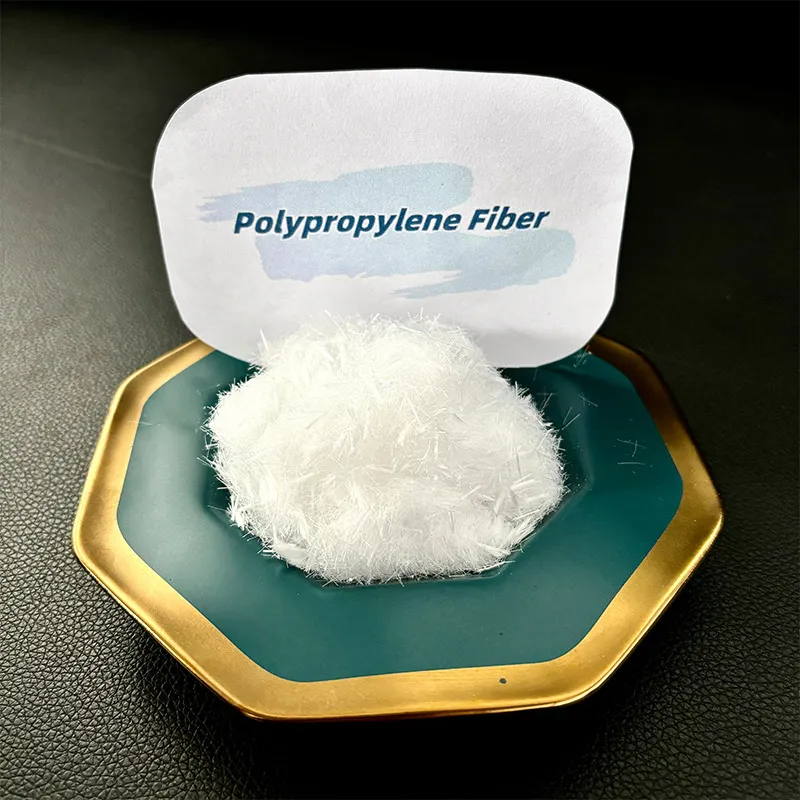 mga_supplier_ng_polypropylene_fiber
Oct . 25, 2025
Rubber anti-tack powder plays a critical role in the rubber manufacturing industry . Its application -
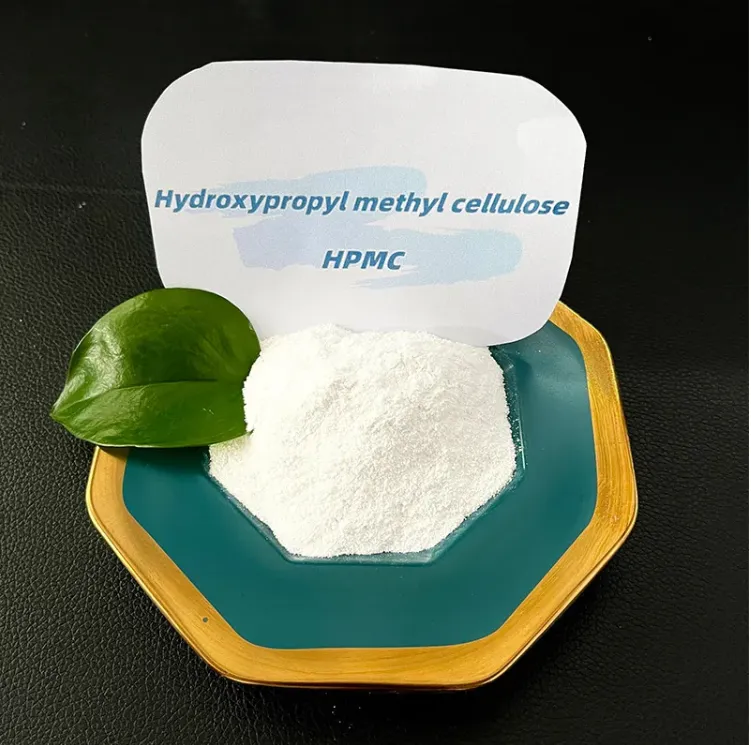 beton_serat_pp
Oct . 25, 2025
Understanding the properties and applications of HPMC K15M viscosity is critical for industries rang


